Winter and early spring risks
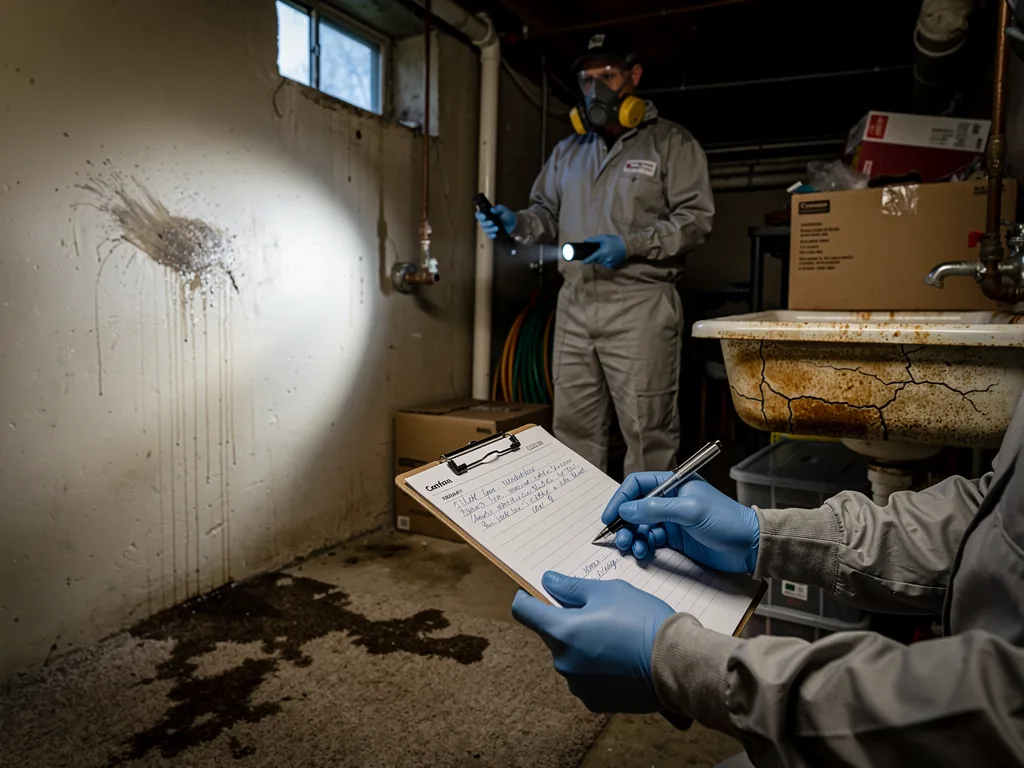
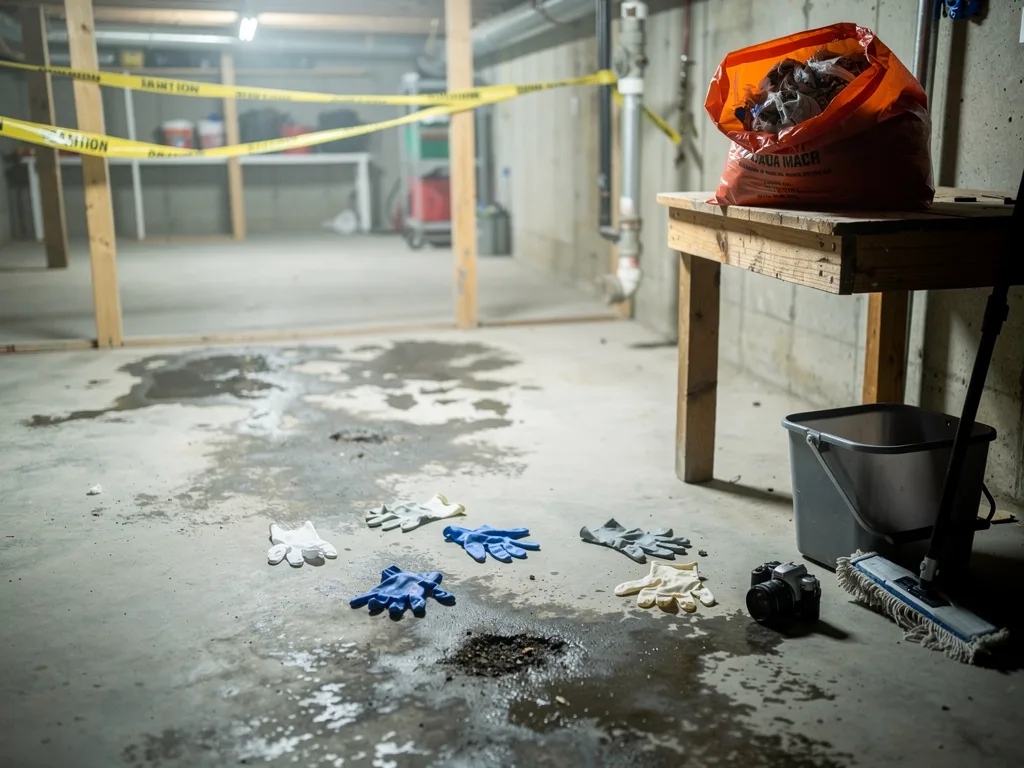
Cold, damp basements and higher indoor humidity can create conditions where mold and other biohazards thrive. Check sump pits if you have them and ensure proper drainage away from the foundation. Keep indoor humidity moderate with a dehumidifier in basements and laundry areas. Clean up any water intrusion promptly, and don’t leave damp fabrics lying around.
Ventilation matters a lot in Kentucky’s winter months. If you notice a musty odor that won’t go away after cleaning, call a biohazard remediation technician to inspect. Proper ventilation and timely remediation keep costs down and risks lower.
Spring and summer vigilance
Spring floods or heavy rains can introduce moisture into crawlspaces and basements. Inspect for condensation on pipes and walls, and look for any staining that appears after rain events. If you’re unsure about the extent of moisture or potential contamination, reach out to our team. We’ll assess and, if needed, perform safe remediation across Kentucky.
Outdoor living and vehicles can bring in contaminants to living spaces. Simple steps like changing boots before entering the home, using door mats, and keeping pet bedding clean helps, but it isn’t a substitute for a proper assessment when there’s any doubt about contamination. Our biohazard remediation technicians are equipped to handle cleanup thoroughly and with respect for your home.
Seasonal maintenance checklist
To stay proactive, schedule a yearly check of moisture-prone areas such as basements, crawlspaces, and attics. Inspect for leaks after heavy storms and address them promptly. Keep air moving with fans or dehumidifiers where humidity runs high. If you suspect a hidden concern, a professional evaluation provides a reliable baseline for your Kentucky home.